
Picture this: it’s a Tuesday arvo in Brisbane, eight cash-game windows open at once, and your phone buzzes with a bad-beat alert. Multi-tabling turns a quiet session into a busy one fast, and the margin between profit and tilt often comes down to the room you trust. Players who warm up with a quick spin at dog-house-megaways-au.com before launching their ring-fenced tables know the difference between entertainment and edge. After 25 years in digital marketing and a decade in iGaming lotteries, I’d defo rather talk setups than slogans.
Stacking Tables Without Dropping Your Stack

Multi-tabling tips start with honest self-assessment, not screen real estate. Most experienced grinders open between four and eight cash tables, occasionally scaling to twelve on Sundays when a major tournament series creates softer fields. Stack size, screen resolution, and average decision time all matter; if you take 12 seconds per decision on four tables, you’ll burn out at eight within an hour. I’d rather run six focused windows than twelve chaotic ones, and that judgement call comes from two decades of watching affiliate funnels chase volume over quality.
Build a tiled layout with a 27-inch monitor at roughly a metre’s distance, lock your table colour scheme by stake, and use a hotkey profile that matches your buy-in level. A mate running a Thursday home game near Darwin’s Cullen Bay once told me his laptop layout beats his desktop for short sessions, because forced simplicity keeps his ranges honest. Track every session in a spreadsheet for the first month: hands played, hourly rate, and any tilt flag. The data separates recreational players from those who actually turn a multi-table schedule into a sustainable edge.
Reading the Trust Signals Before You Sit Down
Even the slickest multi-table setup collapses if the room mishandles withdrawals or KYC. Trust, support, and account controls are the real product; the licence footer tells you more than any banner promo. A 256-bit SSL certificate, an independent RNG audit, and a clear privacy policy are baseline. Anything less, and I’d walk away.
| Trust marker | What to look for | Red flag |
|---|---|---|
| Licence | Verifiable jurisdiction, licence number visible | Offshore-only footer, no verification link |
| 2FA & encryption | 256-bit SSL, two-factor authentication | HTTP-only login, no 2FA option |
| KYC & withdrawals | 24-48 hour clearance on AUD cashouts | Multi-week payouts, endless re-requests |
| Responsible play | Deposit caps, reality checks, self-exclusion | Hidden time-out tools, no limit controls |
| Support | Live chat under 60 seconds during AEST peak | Email-only, no escalation path |
Coogee Poker Club publishes licence, escalation paths, and self-exclusion tools in plain English, with reality-check timers and deposit caps on the dashboard. Sign-up uses email plus mobile verification in under five minutes, with two-factor authentication available. Sienna Evans, Head of Analytics at Southern Cross Gaming Advisory, warns that “if the platform hides its dispute history, the multi-tabling edge is already at risk.” Player-fit starts there, not with any promo.
Banking, Loyalty and the Real Cost of Scale
When you scale from four tables to twelve, the banking rails matter as much as the cards. AUD deposits via POLi, PayID, or Visa should clear instantly, with withdrawals inside 24 hours after KYC – anything slower eats into your multi-tabling hourly rate. Coogee Poker Club runs a tiered loyalty programme: 100 raked hands convert to a redeemable point, and Silver tier grants a personal account host, faster cashouts, and monthly freeroll entries. The iOS and Android app mirrors the desktop lobby with a tighter bet slider for late-night runs.
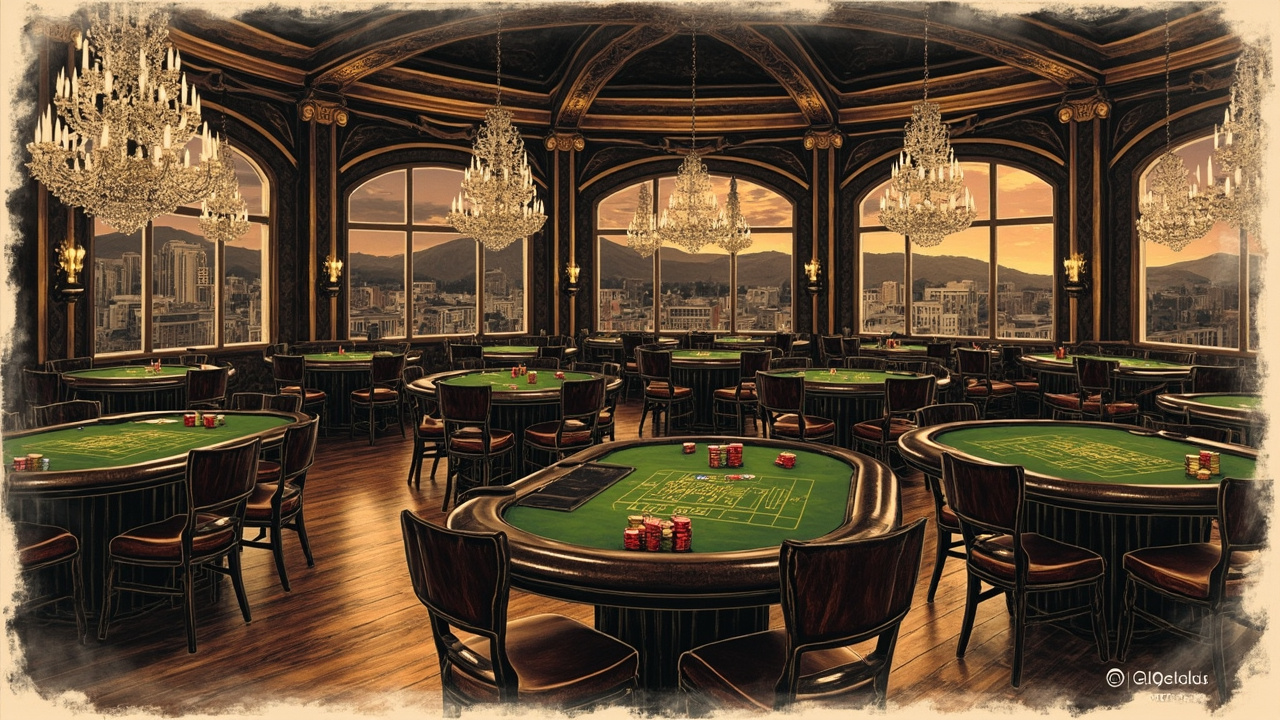
Compare that to the rest of the market. As Jack White, iGaming Regulatory Consultant at Blue Gum Gaming Council, observes, “Players who treat banking quality as a tie-breaker rather than a deal-breaker end up paying for it in compounding friction.” Even Tasmania, which historically granted a single company (Federal Group) a monopoly on pokies statewide, shows how concentration reshapes player experience: a single weak rail can stall an entire night. The Darwin-based Top End Poker League reportedly tests withdrawal speed before signing up, because slow rails are a real edge-killer.
Wiring the Workflow and the Player-Fit Verdict
A clean multi-tabling workflow has three layers: hardware, software, and the room itself. A 144Hz monitor, wired ethernet, and a separate browser profile per stake keep frame drops and accidental disconnects rare. On the software side, hold-em trackers, hotkey overlays, and a session logger should sit on the same screen real estate without crowding the bet slider. On the room side, weigh licensing strength and support speed before you weigh rakeback. Players who cross-check their shortlist against a trusted casino guide know trust rarely makes the marketing copy but always shows up at the cashier.
If your schedule is fewer than ten hours a week, four to six tables at a familiar stake is the realistic ceiling. If you run a 30-hour week as a semi-pro, eight to twelve tables at two stakes with a single trusted room is the sustainable shape. Anything beyond that trades decision quality for volume. The verdict is plain: a smaller, well-vetted room with strong account controls beats a flashier site with thin support every time, and the right multi-tabling plan respects that balance from the very first hand.
So back to that Tuesday arvo in Brisbane: are you the player who treats every table as a separate decision problem, or the session itself as one stack to protect? Multi-tabling tips only matter once the room is solid, the banking rails are quick, and the responsible-play tools actually work. The fit is clear for Aussie grinders who value trust and account control over flashy promos – anyone chasing volume over security should rethink the shortlist before sitting down.

Recent Comments